
AI Algorithmic Trading in Dubai: Transforming the UAE’s Financial Markets
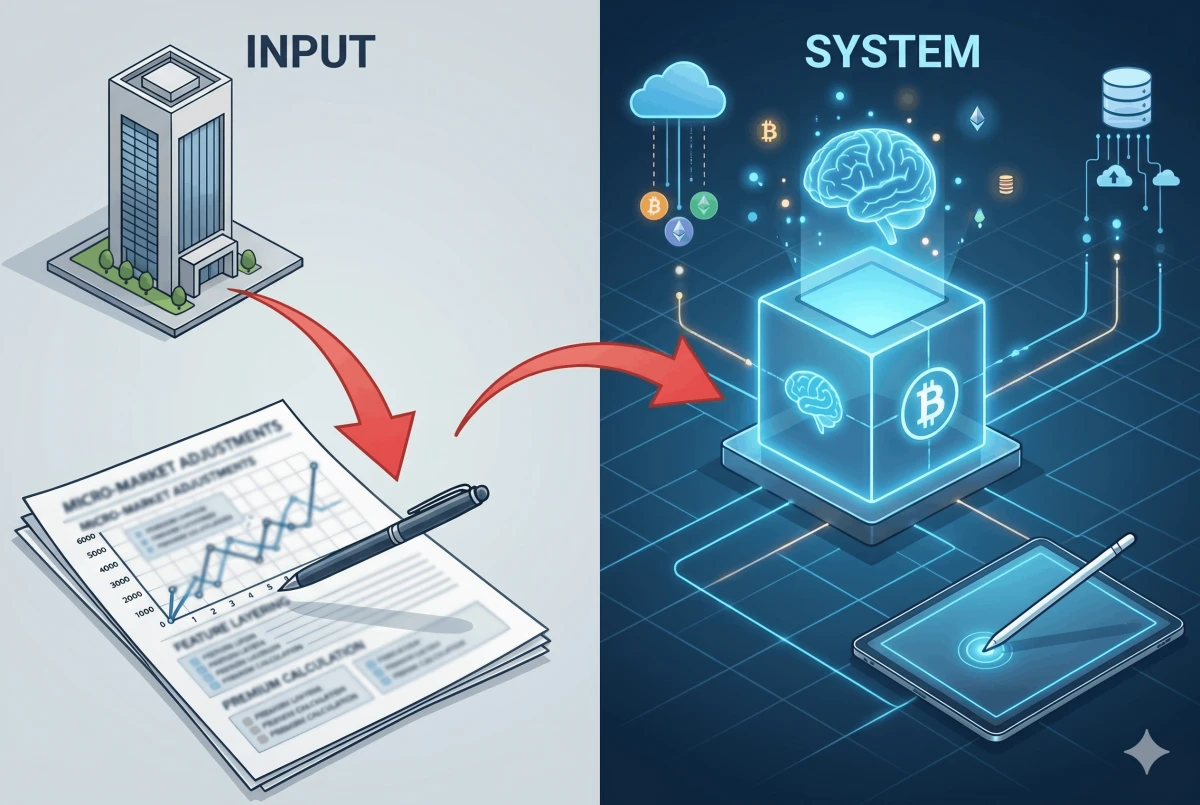
How Artificial Intelligence is Reshaping Investment Strategies in the Middle East
Dubai has rapidly emerged as one of the world's leading financial and technology hubs, attracting global investors, fintech startups, hedge funds, and digital asset companies. Among the most significant developments transforming the emirate's financial landscape is the rise of Artificial Intelligence (AI)-powered algorithmic trading.
From stock markets and forex trading to cryptocurrencies and commodities, AI-driven trading systems are changing how investment decisions are made. Leveraging machine learning, predictive analytics, and real-time data processing, these systems can analyze vast amounts of market information within milliseconds, helping traders identify opportunities and manage risks more efficiently than traditional methods.
As Dubai continues its push toward becoming a global AI capital under the UAE National Artificial Intelligence Strategy, algorithmic trading is expected to play an increasingly important role in the region's financial future.
Understanding AI Algorithmic Trading
Algorithmic trading, often referred to as "algo trading," uses computer programs to execute trades automatically based on predefined rules. AI algorithmic trading takes this concept further by allowing systems to learn from historical data, adapt to changing market conditions, and improve decision-making over time.
Unlike traditional algorithms that follow fixed instructions, AI-powered trading platforms can:
-
Analyze market trends in real time
-
Predict price movements using historical patterns
-
Process news, social media sentiment, and economic indicators
-
Detect trading anomalies and market inefficiencies
-
Execute orders at optimal prices
Machine learning models continuously refine their predictions, enabling traders and financial institutions to react faster to market fluctuations.
Dubai's Growing Fintech Ecosystem
Dubai's ambitions to become a global fintech powerhouse have created fertile ground for AI-based trading innovations.
The emirate hosts several major financial institutions and innovation centers, including the Dubai International Financial Centre (DIFC), which is home to hundreds of fintech and financial services firms.
According to DIFC's latest fintech ecosystem reports, the centre has witnessed significant growth in fintech and innovation companies over recent years, with billions of dollars in investment flowing into financial technology ventures across the UAE.
The UAE government has also launched multiple initiatives to accelerate AI adoption across industries, including finance, healthcare, transportation, and public services. These efforts have encouraged both startups and established institutions to integrate AI into trading, risk management, and wealth advisory services.
Market Growth and Global Trends
The global algorithmic trading market continues to expand at a rapid pace.
Industry estimates suggest that the global algorithmic trading market exceeded USD 18 billion in 2024 and could surpass USD 35 billion by the early 2030s, driven by increasing automation, cloud computing, and AI adoption.
Meanwhile, AI in financial services is projected to contribute hundreds of billions of dollars in operational efficiencies globally over the next decade.
Several factors are driving adoption:
1. Speed
Financial markets generate enormous volumes of data every second. Human traders cannot process this information quickly enough to capitalize on fleeting opportunities.
AI systems can analyze millions of data points within milliseconds and execute trades almost instantly.
2. Accuracy
Machine learning models identify complex patterns that may not be visible to human analysts. This can improve forecasting accuracy and reduce emotional decision-making.
3. Risk Management
Advanced AI models continuously monitor market conditions and automatically adjust positions when volatility increases.
4. 24/7 Trading
This capability is particularly important in cryptocurrency markets, where trading never stops.
Dubai's growing digital asset ecosystem has created strong demand for AI systems capable of operating around the clock.
The Role of AI in Dubai's Financial Markets
Dubai's financial sector is increasingly adopting AI across multiple trading segments.
Equities
AI tools are being used to identify market momentum, optimize portfolio allocation, and forecast stock price movements.
Foreign Exchange
Dubai remains one of the largest forex trading hubs in the Middle East. AI algorithms help traders analyze currency correlations, economic indicators, and geopolitical developments affecting exchange rates.
Commodities
Gold trading remains a cornerstone of Dubai's economy. AI-powered systems help commodity traders monitor supply-demand dynamics, inflation expectations, and global macroeconomic trends.
Cryptocurrency Trading
Dubai has become a major destination for blockchain and digital asset companies. AI-powered trading bots are increasingly used to manage crypto portfolios, identify arbitrage opportunities, and execute high-frequency trading strategies.
High-Frequency Trading and AI
One of the most sophisticated applications of AI algorithmic trading is High-Frequency Trading (HFT).
HFT firms use powerful computing infrastructure to execute thousands of trades per second. AI enhances these systems by improving market prediction accuracy and adapting strategies dynamically.
While HFT remains more prevalent in developed financial markets such as the United States and Europe, Dubai's advanced digital infrastructure and growing financial ecosystem could support increased adoption in the future.
However, regulators continue to monitor HFT activities to ensure market fairness and stability.
Regulatory Environment in the UAE
Regulation plays a critical role in the growth of AI-driven trading.
The UAE has established itself as one of the region's most progressive jurisdictions for financial innovation.
Authorities including the Securities and Commodities Authority (SCA), the Dubai Financial Services Authority (DFSA), and the Virtual Assets Regulatory Authority (VARA) oversee various aspects of financial and digital asset markets.
These regulators have introduced frameworks designed to encourage innovation while protecting investors and maintaining market integrity.
As AI adoption grows, regulators are expected to focus increasingly on:
-
Algorithm transparency
-
Data governance
-
Cybersecurity
-
Market manipulation prevention
-
AI accountability standards
Challenges and Risks
Despite its advantages, AI algorithmic trading is not without risks.
Data Quality Issues
AI systems are only as effective as the data they receive. Inaccurate or incomplete datasets can lead to poor trading decisions.
Market Volatility
Unexpected geopolitical events, economic shocks, or regulatory changes can disrupt even the most sophisticated models.
Cybersecurity Threats
As financial institutions rely more heavily on AI, protecting trading infrastructure from cyberattacks becomes increasingly important.
Model Overfitting
Some machine learning models perform exceptionally well on historical data but fail under real-world market conditions.
Regulatory Compliance
Firms must ensure that AI systems comply with evolving regulations and maintain proper oversight.
Future Outlook
The future of AI algorithmic trading in Dubai appears highly promising.
Several trends are expected to accelerate growth over the coming years:
-
Expansion of AI-powered wealth management platforms
-
Increased institutional adoption of machine learning models
-
Greater integration of alternative data sources
-
Enhanced predictive analytics capabilities
-
Growth of digital asset and tokenized markets
-
Adoption of generative AI in financial research and analysis
Industry experts believe that AI will increasingly move from being a competitive advantage to becoming a standard requirement for financial institutions.
As Dubai strengthens its position as a global financial and technology hub, AI-driven trading systems are likely to become an essential component of investment management, capital markets, and digital asset trading.
Conclusion
AI algorithmic trading is reshaping financial markets worldwide, and Dubai is positioning itself at the forefront of this transformation. Supported by a forward-looking regulatory environment, a thriving fintech ecosystem, and ambitious government AI initiatives, the emirate is creating an environment where intelligent trading technologies can flourish.
While challenges related to regulation, cybersecurity, and market volatility remain, the long-term outlook for AI-powered trading in Dubai remains strong. As technology continues to evolve, investors, institutions, and fintech innovators are expected to play a critical role in defining the next generation of financial markets across the UAE and the broader Middle East.
What's Your Reaction?
 Like
0
Like
0
 Dislike
0
Dislike
0
 Love
0
Love
0
 Funny
0
Funny
0
 Wow
0
Wow
0
 Sad
0
Sad
0
 Angry
0
Angry
0
Finance news and analysis writer with two years of experience covering markets, AI, cryptocurrency, fintech, blockchain, investment trends, and digital economy developments for global readers.










Comments (0)