
UAE Accelerates Trade and Energy Bypass Plans as Oil Nears $100
The UAE is expanding alternative ports, pipelines and trade corridors as regional attacks push oil towards $100 and threaten shipping through Hormuz.
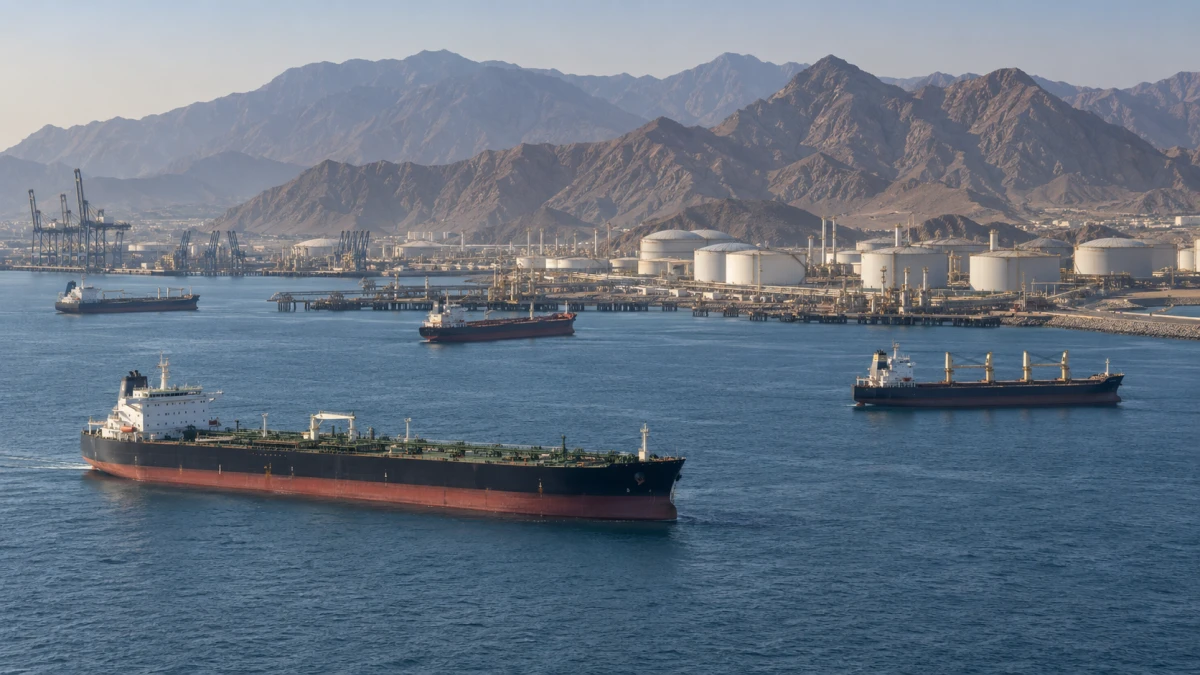
Dubai and Abu Dhabi stocks edged higher despite escalating US-Iran tensions, while the UAE outlined plans to expand alternative ports, pipelines and trade corridors that reduce its exposure to the Strait of Hormuz.
The UAE is accelerating work on alternative energy-export and trade routes as renewed attacks around the Gulf push oil prices towards $100 a barrel and expose the economic risks created by dependence on the Strait of Hormuz.
Anwar Gargash, diplomatic adviser to the UAE president, said on Monday that the country would continue expanding its eastern port capacity, pipelines and other trade corridors to reduce exposure to disruption in the waterway.
The UAE’s energy exports and wider economy would not be “held hostage,” Gargash said, according to Reuters, as tensions between Iran and the United States intensified.
His comments came as attacks on vessels and Saudi energy facilities increased concern about the security of Gulf exports. Brent crude approached $99 a barrel on Tuesday, while global stocks weakened as investors assessed the risk that higher energy costs could revive inflation and keep interest rates elevated.
UAE financial markets remained comparatively resilient. Dubai and Abu Dhabi’s benchmark indices each advanced around 0.3% on Tuesday, with Emirates NBD gaining 0.9%, according to Reuters market data.
The modest increases suggest that investors are distinguishing between immediate geopolitical danger and the UAE’s longer-term ability to redirect some trade and energy flows. However, alternative infrastructure cannot yet replace the Strait’s full capacity or economic importance.
Hormuz remains a global economic chokepoint
The Strait of Hormuz connects the Gulf with the Arabian Sea and international shipping routes. It is the primary maritime outlet for oil producers including the UAE, Saudi Arabia, Kuwait, Iraq, Qatar, Bahrain and Iran.
The International Energy Agency estimates that approximately 20 million barrels of oil a day—about one-quarter of global seaborne oil trade—normally pass through the Strait. Around 80% of those shipments are destined for Asia.
China, India and Japan are among the most important buyers, making disruption a direct risk to the UAE’s relationships with its largest energy customers.
The waterway is also critical for liquefied natural gas. Qatar and the UAE together account for almost 20% of global LNG exports, according to the IEA, and much of that supply depends on access through Hormuz.
Even a limited disruption can increase shipping costs, insurance premiums and delivery times. A prolonged interruption could affect fuel prices, industrial production and inflation far beyond the Middle East.
Higher energy prices may benefit oil-export revenue in the short term, but that advantage weakens if producers cannot move sufficient cargo or if conflict damages infrastructure. The UAE therefore has an incentive to protect both the volume and reliability of exports.
Fujairah becomes increasingly important
The UAE has spent years developing infrastructure outside the Strait, particularly in Fujairah on the country’s eastern coast.
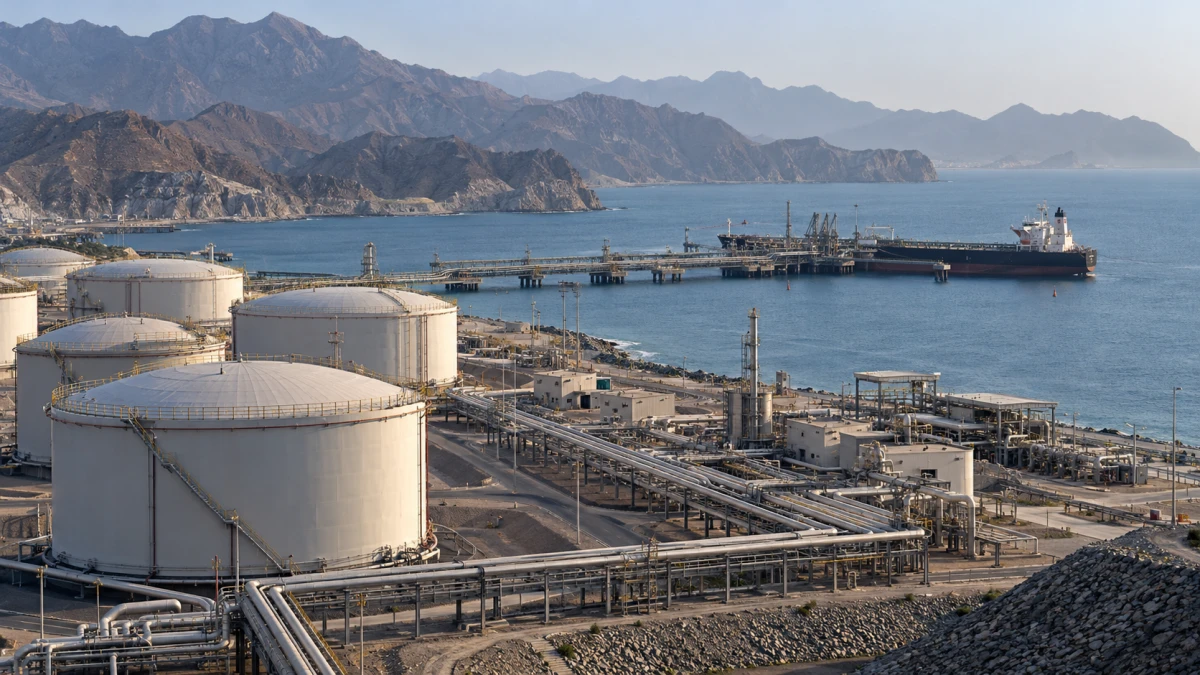
The Abu Dhabi Crude Oil Pipeline carries oil from production areas in Abu Dhabi to Fujairah, allowing some exports to reach the Arabian Sea without passing through Hormuz. Fujairah also has storage, bunkering and port facilities that support regional energy trading.
The existing network gives the UAE more flexibility than several neighbouring exporters. The IEA says only Saudi Arabia and the UAE currently have operational crude pipelines capable of redirecting significant volumes around the Strait.
Across the region, the agency estimates that alternative routes have between 3.5 million and 5.5 million barrels a day of available capacity. That remains far below the approximately 20 million barrels normally moving through Hormuz.
The IEA has also warned that the logistics required to redirect substantial volumes have not been fully tested during an extended disruption.
Pipelines are only one part of the challenge. Exporters also need storage tanks, loading facilities, available tankers, customs systems and sufficient road or rail connections. Moving a barrel to the opposite coast has limited value if the port cannot load it quickly or shipping companies remain reluctant to enter the area.
Trade resilience extends beyond oil
The UAE’s concern is broader than energy.
Dubai’s economy depends heavily on aviation, logistics, tourism, retail and the movement of goods between Asia, Africa, Europe and the Middle East. Disruption at Gulf ports can affect inventories, freight prices, trade finance and corporate cash flow even when oil exports continue.
The development of Fujairah and other routes could create a second logistics centre capable of supporting cargo that would otherwise move through Gulf-facing ports. Additional east-coast capacity may also attract investment in warehousing, commodity trading, insurance and industrial processing.
But replicating an established hub is difficult. Dubai’s Jebel Ali ecosystem combines a major container port with an airport, free-zone companies, warehouses, customs services and extensive road connections. Alternative routes may relieve pressure without replacing that network.
For companies, the practical question is whether the UAE can build enough redundancy to keep essential trade moving when one route becomes unreliable.
Banks also have an interest in the answer. Shipping disruption can increase working-capital requirements as companies hold more inventory or wait longer for payment. Insurers may raise premiums, while lenders face higher exposure to transport, retail and import-dependent businesses.
Markets face an inflation risk
The latest increase in oil prices has implications beyond transport and energy companies.
More expensive fuel can raise the cost of food production, manufacturing, air travel and freight. Businesses may pass those costs to customers, contributing to inflation.
That creates a complication for central banks. If energy-driven inflation remains high, policymakers may delay interest-rate cuts or consider further tightening even as economic growth weakens.
The UAE dirham is pegged to the US dollar, meaning domestic interest rates are strongly influenced by Federal Reserve policy. A longer period of elevated US rates would affect borrowing costs for UAE households, property buyers and companies.
Dubai’s equity market can benefit from strong bank earnings and regional liquidity, but persistent geopolitical tension may weigh on tourism, logistics, property demand and investor confidence.
Tuesday’s modest market gains should therefore not be interpreted as proof that the risks have passed. Markets can remain stable while investors wait for clearer evidence about shipping flows, infrastructure damage and the duration of the conflict.
Bypass infrastructure is insurance, not a complete solution
The UAE’s investment in ports and pipelines offers it a strategic advantage. It can redirect part of its energy exports and gradually build alternative trade corridors that reduce dependence on a single maritime chokepoint.
Yet the numbers show the limitation. Regional bypass capacity represents only a fraction of the oil normally shipped through Hormuz, while LNG exports remain particularly difficult to redirect.
The immediate value of the UAE’s strategy is therefore resilience rather than independence. Additional infrastructure can protect a portion of exports, reduce the severity of disruption and strengthen the country’s bargaining position.
Investors will now watch whether the UAE provides firm project details, including new capacity, construction schedules and capital costs. Shipping data, insurance rates and cargo volumes at Fujairah and Jebel Ali will offer a clearer picture of whether trade is being redirected successfully.
For Dubai and the wider UAE, the economic test is straightforward: keeping goods, capital and energy moving even when the region’s most important waterway becomes unreliable.
Fact-check and sources
What's Your Reaction?
 Like
0
Like
0
 Dislike
0
Dislike
0
 Love
0
Love
0
 Funny
0
Funny
0
 Wow
0
Wow
0
 Sad
0
Sad
0
 Angry
0
Angry
0

Finance news and analysis writer with two years of experience covering markets, AI, cryptocurrency, fintech, blockchain, investment trends, and digital economy developments for global readers.











Comments (0)